The Peak District Challenge
Written by Abbie Hurrell, Development, Climb 2 Recovery.
A few weeks ago, we ran the first Peak District Challenge, a partnership between Climb 2 Recovery and Supporting Wounded Veterans (SWV). Five days in the Hope Valley with a group of veterans, many of whom had never climbed before.
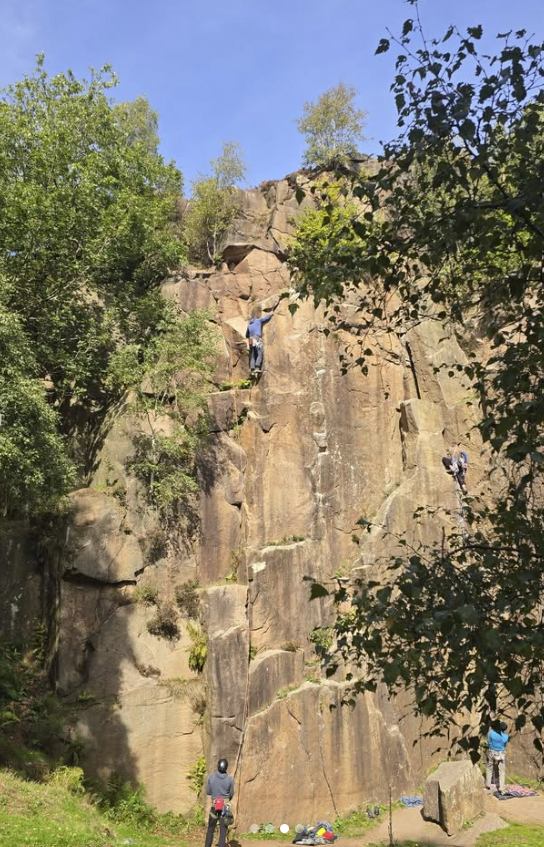
The week itself was marked by conditions that seemed almost deliberate in their perfection. The Peak District landscape is genuinely beautiful—those crags and the way the light hits the rock creates this sense of being both insignificant and entirely present at once. But it wouldn't have mattered if the weather had been awful, because what made the week genuinely special was the community that emerged.
What Happened
Most of the group came to climbing as complete beginners. They arrived not entirely certain whether it was for them, uncertain whether they belonged in that space. By the end of five days, something had shifted fundamentally. These were people who had worked together without ego, who had supported each other through genuine difficulty, who had formed friendships that felt substantial and real.
What impressed me most, when I heard about the week from those who were there, was the quality of attention people gave to one another. There was no hierarchy, no sense of some people being "better" climbers or more experienced and therefore somehow more valuable. People offered coaching to one another. They listened. They pushed themselves further than they thought they could go, and they did it alongside people who understood what it meant to navigate the particular dislocation that follows leaving the Armed Forces.
Each day brought incremental changes that we have come to recognise as the Climb 2 Recovery magic: more confidence appearing, more communication, more genuine connection. Here's what people wrote when they got home:
"I cannot thank you enough for an amazing week and for welcoming me. I have had such a quality time and you all made it so enjoyable and chilled. Cannot wait to do it all again."
“I cannot thank you enough for an amazing week and for welcoming me. I have had such a quality time and you all made it so enjoyable and chilled. Cannot wait to do it all again.”
“I’ve not felt this good in a long long time. You’ve created something special here that’s way beyond just climbing—a proper community with no judgement”
“It was super special to see all the SWV guys get the climbing bug from the get go and really enjoy themselves. I thoroughly look forward to climbing with you all again in the future”
The common thread isn't about the climbing itself. It's about belonging. It's about feeling genuinely accepted without condition. For people whose sense of identity has been disrupted by injury, illness, or the disorientation of leaving service, that matters far more than any skill development.
What Comes Next
The encouraging part is that this week doesn't have to mark the end of their engagement with us. Some of the veterans have already moved on to our main courses. Others are considering it. Some will take longer before they're ready, and that's entirely fine. The point is that they now know what's possible, they've experienced what this community feels like, and the door remains open.
That's what these gateway events should achieve—they say that this is real, that people of all abilities and levels of confidence are welcome, and that there's genuine substance to what we're offering.
Development and Collaboration
I should explain how I'm thinking about this partnership and why events like the Peak District Challenge matter to how we're approaching our work more broadly.
We don't develop people in isolation. What I mean by that is that recovery, genuine recovery, happens through working together and through ensuring charities work collaboratively rather than duplicating effort or expecting the system to bend around any single organisation.
Supporting Wounded Veterans had established relationships with this group of veterans. They understood their particular needs and had the trust to bring them to something new. We have developed particular expertise in creating environments where people can climb, yes, but more importantly where the conditions for recovery are present—where people can rebuild identity and connection, often with others who've travelled similar paths.
When two organisations that genuinely care about the same outcome work together rather than in parallel, you develop the right culture for recovery to happen and create experiences that neither organisation could deliver alone.
That's the principle I'm committed to in this work: not charities trying to be all things, but charities working smartly together and supporting one another so that the people we serve actually get what they need.
Thank You
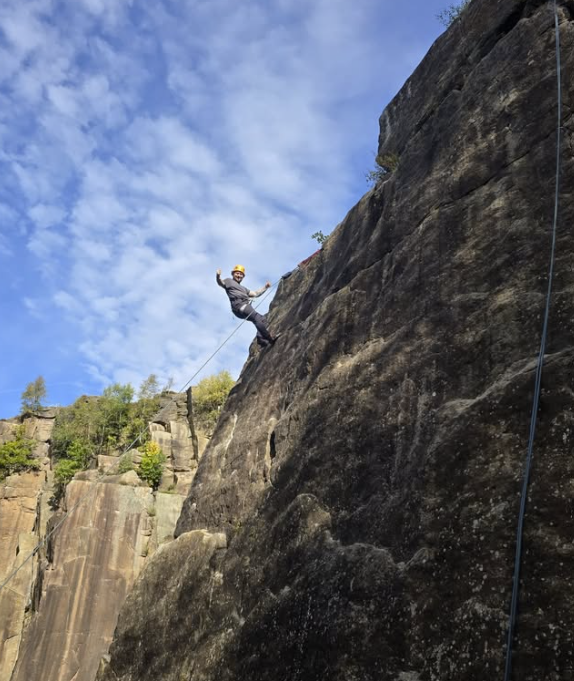
Thank you to Shonagh and our adventure expertise instructors who created the conditions for that week to work. Thank you to Joe, our CEO, and to our Climb 2 Recovery members and volunteers who gave their time and energy to support everyone involved. Thank you to the team at Supporting Wounded Veterans for seeing value in what we do and for entrusting us with their veterans. And thank you to everyone who came along and was willing to show up and try something genuinely new. In doing so, you created something quite beautiful.
That's ultimately what Climb 2 Recovery exists for. Not to teach climbing, though the climbing matters. But to remind people they're not alone. To show them they're stronger than they often believe themselves to be. And to give them a community they can keep returning to, that will remain present for them.
Climb 2 Recovery partners with organisations across the UK to bring our climbing programmes to veterans who might not otherwise find us. If you work with a charity or organisation that supports veterans and think a partnership could make a difference, we'd love to hear from you.